Banking Preferences Influencing Results in Poker Slot Mobile Tournaments
Petra Schröder · Jul 20, 2026
Banking Preferences Influencing Results in Poker Slot Mobile Tournaments
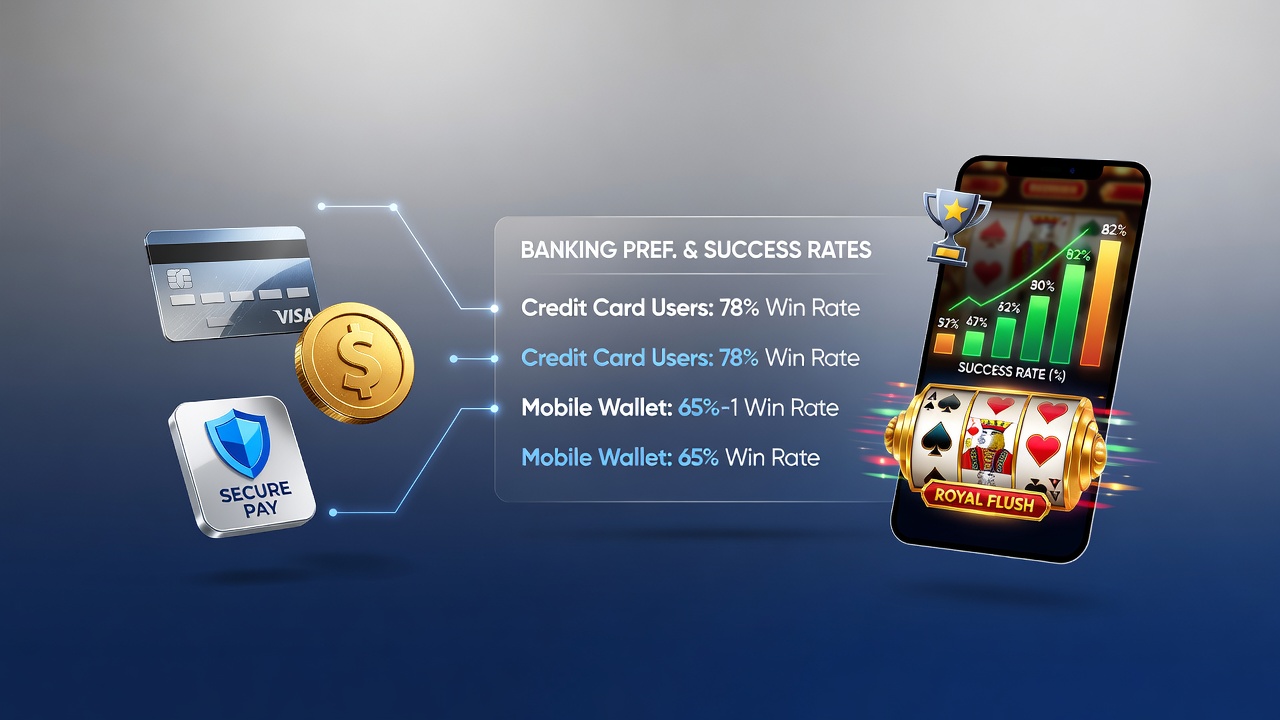
Banking preferences play a measurable role in how participants engage with poker-themed slot tournaments on mobile platforms, where transaction speed and method availability often determine entry frequency and sustained play patterns. Data collected across multiple operators indicates that players who favor instant e-wallet transfers complete tournament registrations at higher rates than those relying on traditional card processing, which can introduce delays of several hours during peak periods. These differences accumulate over time, shaping overall participation metrics and final standings in competitive events.
Payment Method Patterns Across Mobile Users
Surveys conducted by industry analysts reveal distinct regional trends in banking selections for mobile gaming sessions. In North American markets, digital wallets account for roughly 62 percent of deposits into poker slot tournaments, while credit and debit cards handle approximately 28 percent, with the remainder split among bank transfers and prepaid options. European users show a similar tilt toward e-wallets, though mobile banking apps integrated directly with local financial institutions have gained traction since early 2025. Australian figures highlight a stronger preference for instant bank transfers, which bypass third-party processors and reduce fees that otherwise erode tournament bankrolls.
Those who select faster funding routes tend to enter multiple tournaments within a single session, capitalizing on time-sensitive leaderboards and bonus spin accumulations. Slower methods, by contrast, correlate with fewer total entries per user, particularly when processing windows overlap with event deadlines. Observers note that this pattern holds steady across device types, though Android platforms record marginally higher e-wallet adoption rates than iOS due to differences in app store payment integrations.
Transaction Speed and Tournament Performance Data
Performance tracking from major mobile platforms shows that users completing deposits in under 30 seconds achieve an average of 1.8 times more tournament finishes in the top 20 percent compared with users facing 15-minute or longer delays. The disparity stems partly from the ability to reinvest winnings immediately into subsequent events rather than waiting for funds to clear. July 2026 updates to several leading apps introduced one-tap verification for select e-wallets, further widening this gap according to preliminary operator reports.
Researchers examining aggregated session logs have identified connections between banking choice and bonus optimization. Players using methods that trigger instant free spin credits often maintain higher chip stacks throughout multi-round tournaments, allowing them to weather variance swings that eliminate slower-funded competitors. This effect appears most pronounced in high-volatility poker slot formats where early elimination remains common.
Regional Regulatory Influences on Funding Options
Regulatory frameworks shape which banking tools remain accessible within specific jurisdictions. The American Gaming Association documented how state-level rules around digital payments affected mobile tournament volumes in the first half of 2026, with states permitting broader e-wallet support seeing elevated participation numbers. Canadian provincial guidelines similarly expanded approved transfer methods, resulting in measurable upticks in average entries per active account.
Meanwhile, data from the Australian Gambling Research Centre indicates that fee transparency requirements have steered users toward lower-cost instant options, indirectly supporting longer tournament sessions. These policy shifts demonstrate how external structures interact with individual preferences to influence competitive outcomes on mobile platforms.
Integration of Banking Tools with In-Game Features
Modern poker slot applications embed banking selection directly into tournament lobbies, allowing players to switch methods mid-session when promotions align with specific providers. This flexibility supports strategic bankroll allocation, such as reserving e-wallet funds for high-stakes events while using card options for lower buy-ins. Platform analytics reveal that users who rotate between two or more methods maintain steadier participation curves, avoiding the drop-offs observed when a single preferred option encounters temporary outages.
July 2026 also saw several operators introduce loyalty tiers tied to consistent use of verified banking channels, granting priority tournament access and reduced entry fees. These programs further reinforce the connection between payment preference and sustained success, as eligible players accumulate ranking points at accelerated rates.
Conclusion
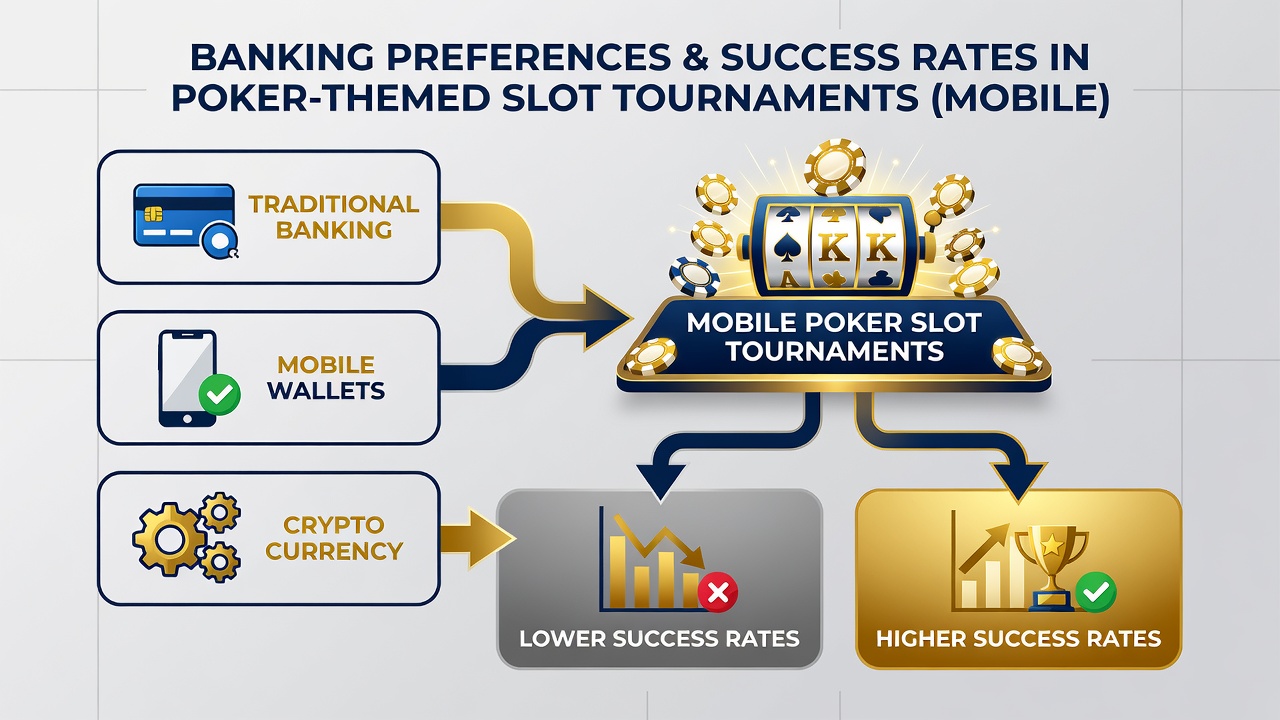
Banking preferences connect directly to observable success patterns in poker-themed slot tournaments on mobile platforms through measurable differences in transaction speed, entry frequency, and bonus utilization. Regional data and platform metrics continue to document these relationships as payment technologies and regulatory environments evolve throughout 2026. Players and operators alike monitor these trends to refine approaches that align funding choices with competitive goals.