Coordinating Live Roster Access Windows with Instant Funding in Hybrid Reel and Card Gaming Platforms
Xander Müller · Aug 24, 2026
Coordinating Live Roster Access Windows with Instant Funding in Hybrid Reel and Card Gaming Platforms
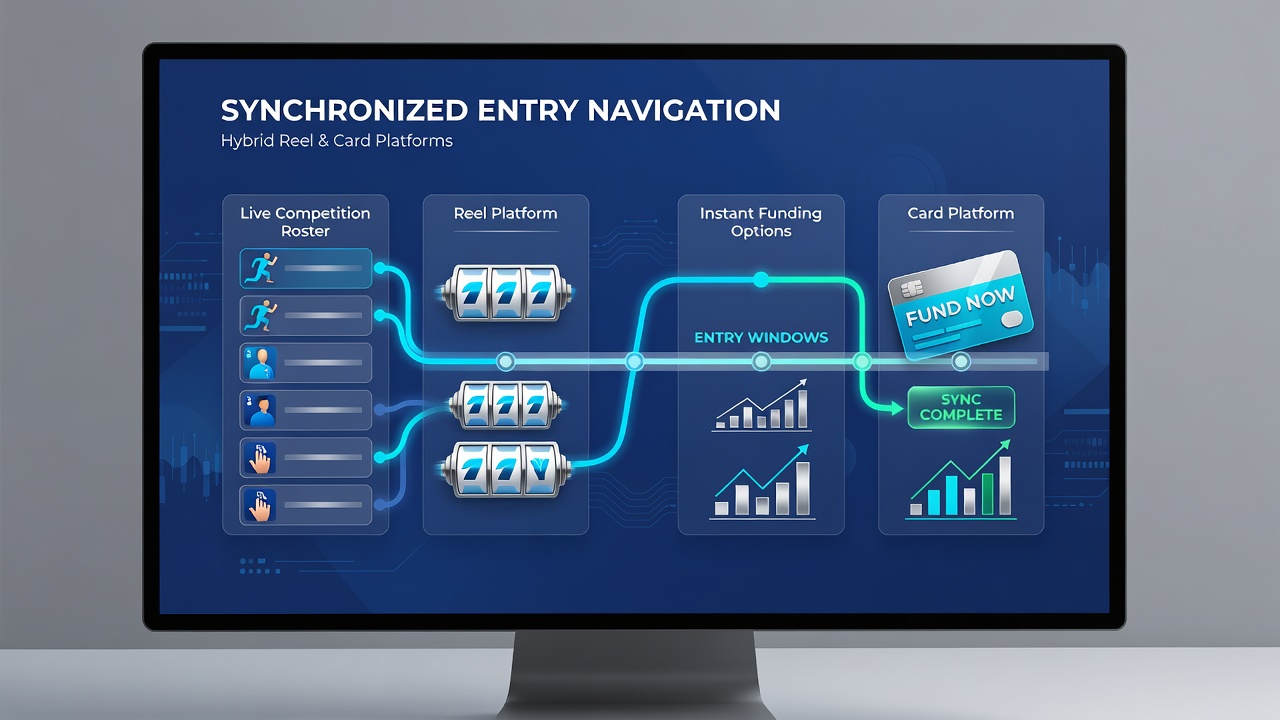
Hybrid reel and card platforms combine slot mechanics with poker-style table games, and operators have developed systems that align competition entry periods directly with deposit processing times. These synchronized entry windows allow participants to register for live events while funds clear in seconds rather than minutes or hours. Data from platform operators shows that integration between roster management software and payment processors reduces drop-off rates during peak registration hours, particularly when events feature limited seats or escalating buy-ins.
Entry windows typically open 48 to 72 hours before scheduled start times, yet the actual registration cutoff often coincides with the final funding confirmation. Platforms use API connections between their tournament servers and banking partners so that an approved instant deposit immediately updates a player's eligibility status on the live roster. This setup prevents situations where users complete transfers only to find the event already closed to new entrants.
Platform Architecture Behind Synchronized Systems
Hybrid environments run separate engines for reel spins and card play yet share a unified player account layer. When a user selects a live poker tournament or a reel-based competition, the system checks the account balance in real time and displays a funding prompt if the required amount is missing. Instant funding options such as e-wallets, certain debit networks, and approved banking apps trigger callbacks that refresh the roster view without requiring a manual page reload.
Developers have implemented timestamp synchronization protocols so that the moment a transaction receives authorization, the competition management module registers the entry. Observers note that this approach minimizes latency to under three seconds in most cases, a figure reported across multiple North American and European operators during 2025 testing cycles. The same architecture supports multi-event entries where one deposit can cover several roster spots provided the timing aligns within the open window.
Regulatory Considerations Across Jurisdictions
Licensing bodies in different regions impose varying rules on how quickly funds must be available for tournament play. The New Jersey Division of Gaming Enforcement requires clear disclosure of processing times, while the Malta Gaming Authority focuses on audit trails that link each deposit to a specific entry action. Operators adjust their synchronized windows to meet these standards, often displaying jurisdiction-specific countdown timers that pause registration if a deposit remains pending beyond allowed thresholds.
Research conducted by the Canadian Gaming Association in late 2025 indicated that platforms with sub-five-second funding confirmation achieved 22 percent higher completion rates for live events compared with those relying on batch processing. These findings prompted several operators to expand instant funding partnerships ahead of the 2026 summer schedule.
August 2026 Updates and Current Practices
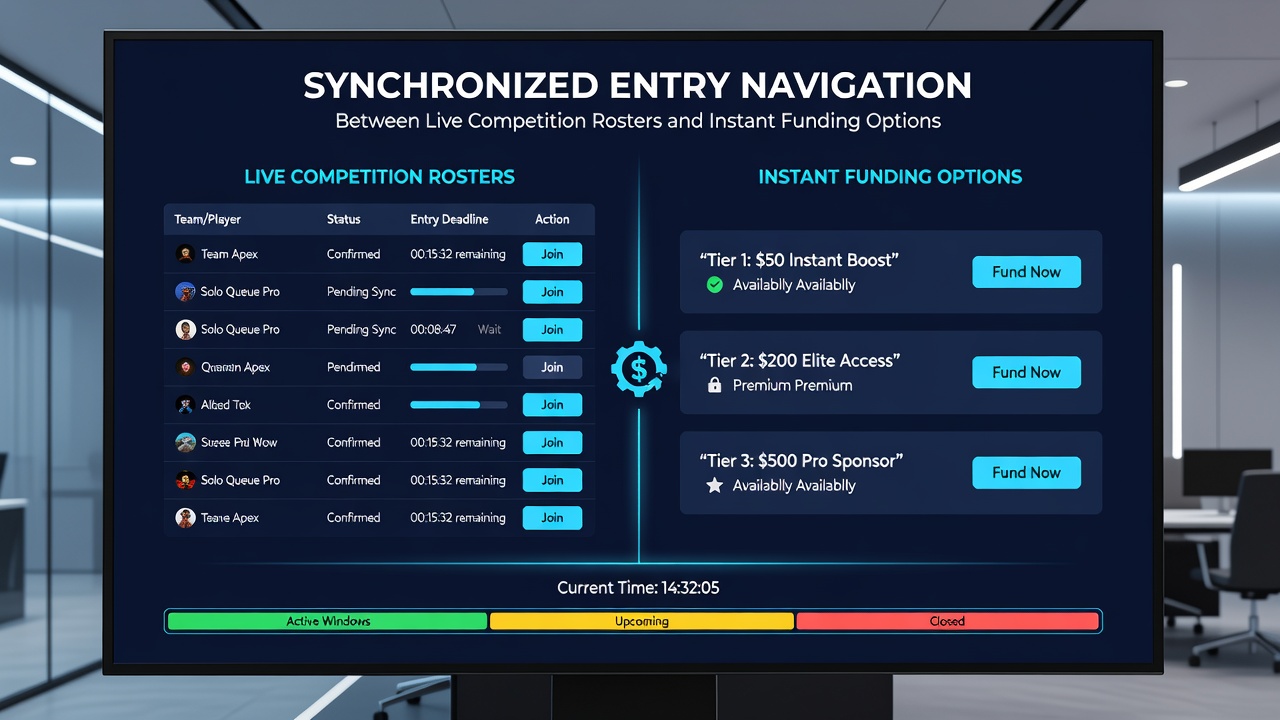
By August 2026, several major hybrid platforms introduced enhanced queue management for live competitions. When multiple users attempt entry near the close of a window, the system places later arrivals in a holding state while their instant deposits process. If funds clear before the final cutoff, the entry completes automatically; otherwise the spot releases to the next participant in line. This mechanism replaced earlier manual refresh methods that frequently caused missed opportunities.
Payment providers now publish uptime statistics that operators integrate directly into their dashboards. Users see expected confirmation times for each funding method alongside the remaining registration window, allowing informed decisions about which option to select. Data indicates that e-wallet transactions continue to dominate during high-volume periods because they maintain consistent sub-second authorization rates even under peak load.
Player-Side Navigation Strategies
Those who participate regularly monitor both the competition roster and available funding channels simultaneously. Many platforms offer a combined view that lists upcoming events, required buy-ins, and recommended deposit methods ranked by speed. When an event features a narrow entry window, selecting the fastest confirmed method becomes essential because any delay can result in exclusion even after the transfer initiates.
Account pre-verification further streamlines the process. Players who complete identity checks in advance avoid secondary approval steps during the critical moments before registration closes. Platform logs show that pre-verified accounts complete synchronized entries 40 percent faster on average, according to internal metrics shared at industry conferences in early 2026.
Conclusion
Hybrid reel and card platforms continue to refine the connection between live roster timing and instant funding capabilities. The technical links that now exist between payment processors and tournament servers have reduced friction for participants while satisfying regulatory demands for transparency and auditability. As August 2026 developments demonstrate, ongoing adjustments focus on queue handling and real-time status displays that keep entry processes reliable even during the busiest registration periods.