Mobile Platform Adaptations Reveal New Approaches to Combining Free Spins Offers with Poker Tournament Participation
Jordan Foster · May 22, 2026
Mobile Platform Adaptations Reveal New Approaches to Combining Free Spins Offers with Poker Tournament Participation
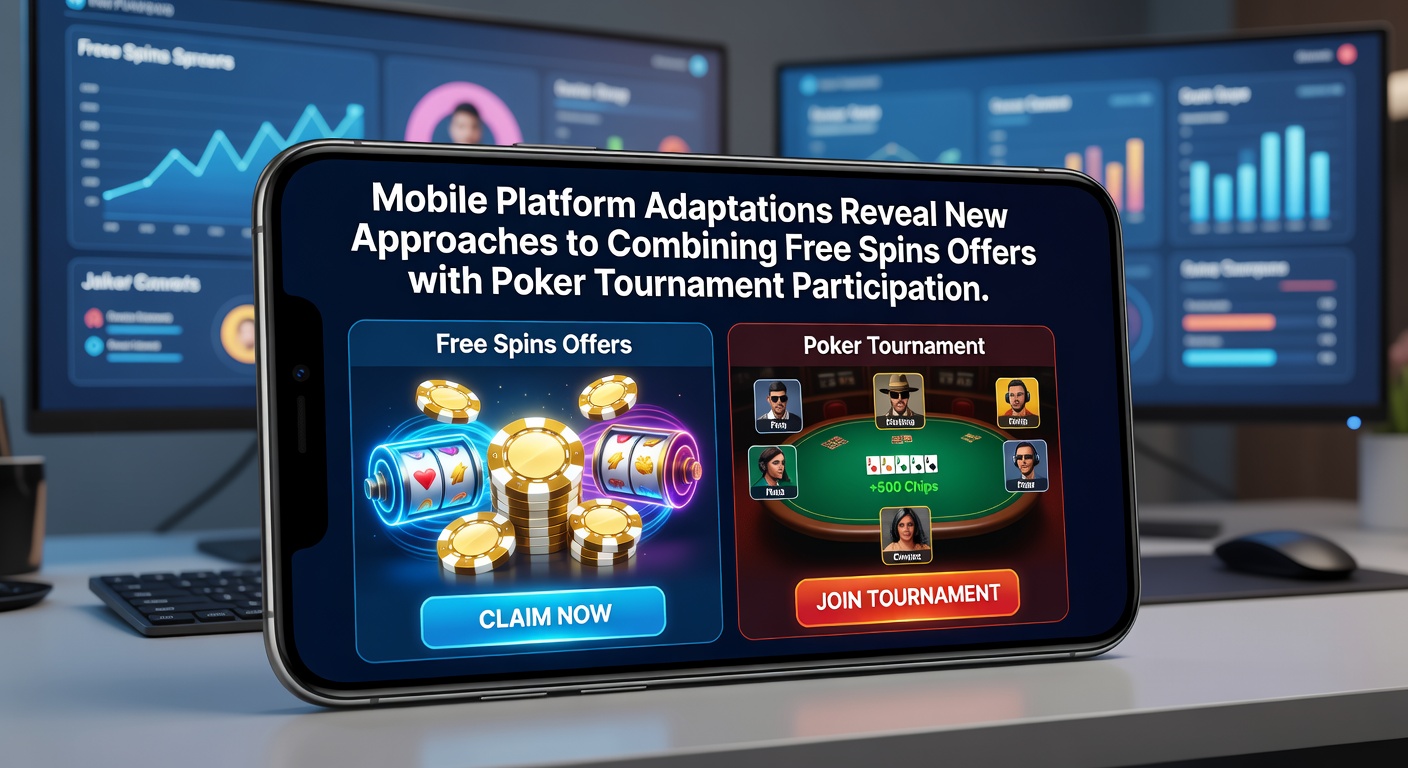
Developers have refined mobile applications over recent years to merge free spins promotions with poker tournament structures through shared reward systems and synchronized user interfaces that allow seamless transitions between slot sessions and competitive poker events. Platforms now track player activity across both formats using unified accounts that award free spins based on tournament buy-ins or completion milestones while granting entry credits to poker events through accumulated spins. These adaptations emerged prominently as operators responded to increased mobile traffic patterns documented in industry reports during early 2026.
Platform Integration Mechanisms
Application frameworks incorporate cross-promotional engines that calculate eligibility for free spins immediately after a player registers for a tournament or advances through specific rounds. Players receive notifications that link directly to slot games featuring the awarded spins while tournament progress continues in the background. This setup reduces friction because users no longer switch between separate applications or logins. Data from multiple operators indicates that such unified systems have increased average session durations by connecting the reward loops of both game types.
Developers employ cloud-based synchronization to ensure that free spins balances update in real time as tournament standings change. When a participant reaches a final table the application automatically unlocks additional spins packages tied to the event's prize pool structure. Observers note that these features appear most frequently on platforms optimized for both iOS and Android operating systems where touch controls support quick navigation between poker tables and slot reels.
Trends Observed in May 2026
Throughout May 2026 several mobile providers rolled out updated versions that introduced tiered participation models. Entry into lower-stakes poker tournaments now generates baseline free spins quantities while higher buy-in events deliver progressive multipliers on those spins. Researchers tracking user behavior across North American markets found that participants who combined both activities within single sessions showed higher retention rates compared with those who focused on one format exclusively. These patterns align with broader shifts toward hybrid gaming experiences that leverage mobile connectivity for continuous engagement.
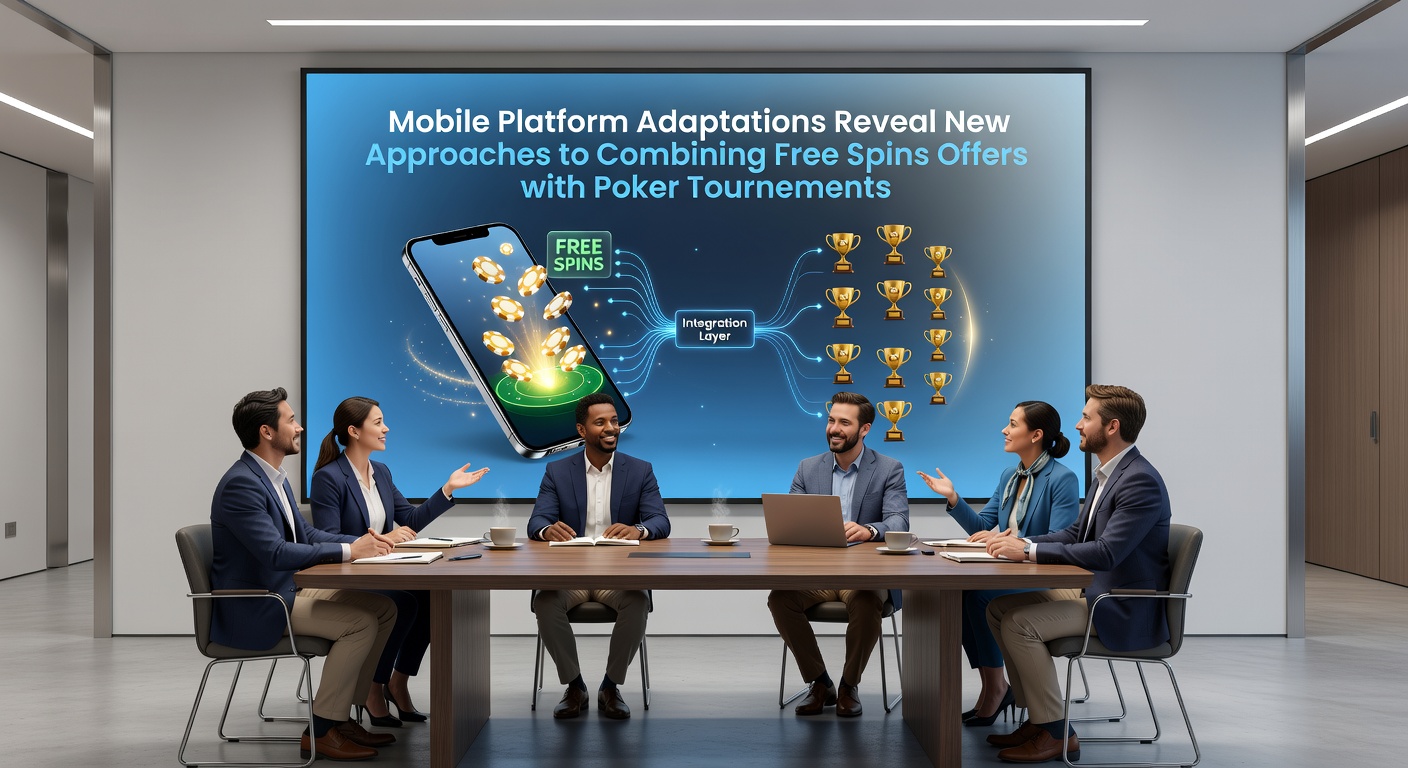
Operators have also introduced location-aware features that adjust available tournaments and spin offers according to regional regulations. In areas where both poker and slots fall under the same licensing framework the applications present joint leaderboards that rank players on combined metrics such as tournament points earned and spins activated. According to figures released by the New Jersey Division of Gaming Enforcement such integrated tracking supports compliance monitoring while delivering personalized promotions to users.
Technical Adaptations and User Experience
Backend architectures rely on API connections that pull tournament data into slot interfaces without interrupting gameplay flow. Players who finish a poker hand can activate earned spins through the same screen by tapping an overlay button that pauses the tournament timer temporarily. This design choice emerged after testing revealed that separate menus reduced participation in the secondary activity. Animation sequences now carry visual elements from poker chips into spinning reels to reinforce the connection between the two formats.
Security protocols have adapted as well with multi-factor authentication covering both tournament entries and spin redemptions under a single verification layer. Industry organizations such as the Canadian Gaming Association have published guidelines encouraging consistent standards for data handling across these hybrid mobile systems. The result is smoother user journeys where individuals move from competitive poker tables to slot sessions and back while maintaining progress in both environments.
Participation Patterns and Data Insights
Analytics platforms report that mobile users increasingly treat free spins as entry incentives for poker tournaments rather than standalone rewards. In one documented case a series of mid-week events offered spin bundles that converted directly into tournament tickets once a threshold number of spins had been used. Participation numbers rose steadily during the first half of 2026 as these offers became more visible within application home screens. Studies from academic sources including reports issued by the University of Nevada Reno Gaming Research Center highlight how such linkages influence time spent on mobile devices across different player demographics.
Yet platform teams continue refining notification timing so that offers for free spins arrive when users are most likely to engage with upcoming tournaments. Push messages now reference both current spin balances and open registration windows in single concise updates. This approach reduces message volume while increasing the probability that recipients will participate in the combined activities.
Conclusion
Mobile adaptations continue to evolve through tighter integration of free spins mechanics with poker tournament participation creating unified ecosystems that track activity across both formats. Regulatory bodies in multiple regions monitor these developments to ensure compliance while operators refine technical features that support seamless transitions and real-time reward updates. Data collected through May 2026 and beyond will likely shape further refinements as platforms seek to maintain engagement through these blended offerings.