Portable Device Interfaces Transform Choices in Overlapped Poker-Slot Bonus Layers
Zoe Keller · Jul 29, 2026
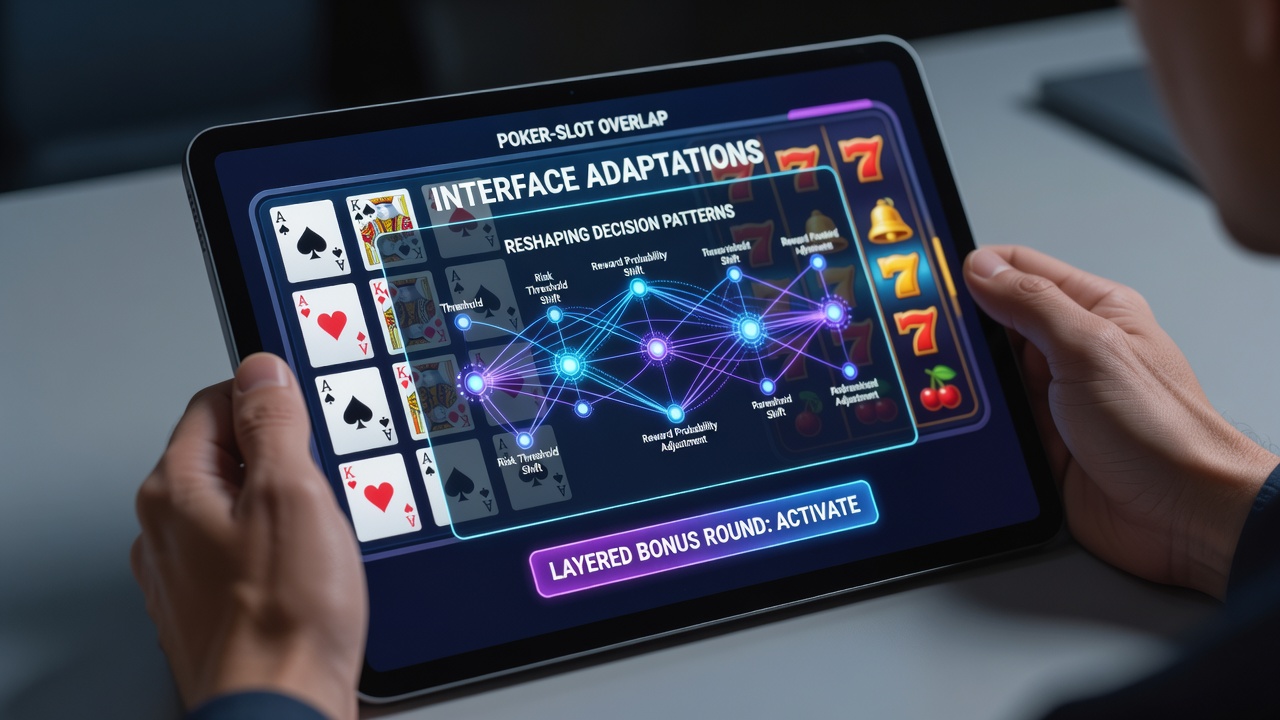
Portable Device Interfaces Transform Choices in Overlapped Poker-Slot Bonus Layers
Developments in mobile technology have led to new interface designs that combine touch gestures with visual feedback, allowing players to navigate multiple bonus layers where poker decisions intersect with slot mechanics, and this integration has prompted shifts in how selections are made during play sessions on handheld screens. Studies from industry observers indicate that adaptive button placements and swipe-based inputs now guide real-time choices in these hybrid formats, particularly when bonus rounds stack poker hand evaluations atop accumulating spin sequences. Data from 2026 device usage reports show increased engagement with gesture controls that resize dynamically based on screen orientation, which in turn alters the timing and sequence of player inputs during overlapping reward phases.
Gesture Controls and Layered Decision Flows
Touchscreen adaptations on portable devices have introduced pressure-sensitive inputs and predictive swipe paths that streamline transitions between poker selection screens and slot reel adjustments, while researchers note that these features reduce the number of taps required to confirm multi-stage bonus actions. Observers have documented cases where users on tablets and smartphones adjust their strategies because the interface highlights optimal poker card holds in sync with ongoing spin multipliers, and figures from mobile gaming analytics reveal that such visual cues influence hold-or-fold decisions within the first few seconds of each layered round. In July 2026 several platforms rolled out firmware updates that refined haptic feedback during these overlaps, enabling players to feel distinct vibrations when poker combinations trigger additional slot cascades without requiring separate confirmation steps.
Screen Orientation and Real-Time Strategy Shifts
Landscape versus portrait modes on handheld devices create different decision patterns because wider views expand the poker card grid alongside slot reels, whereas taller orientations prioritize sequential bonus progression, and evidence from usability tests suggests that players switch modes mid-round to access alternate information panels. Those who have examined 2026 mobile session data find that automatic rotation prompts now appear during bonus overlaps, which correlates with changes in how users weigh risk across poker ranks and spin accumulations. One documented pattern involves users favoring landscape for complex poker evaluations while reserving portrait for rapid spin selections, and this behavioral split appears in aggregated logs from multiple device manufacturers.
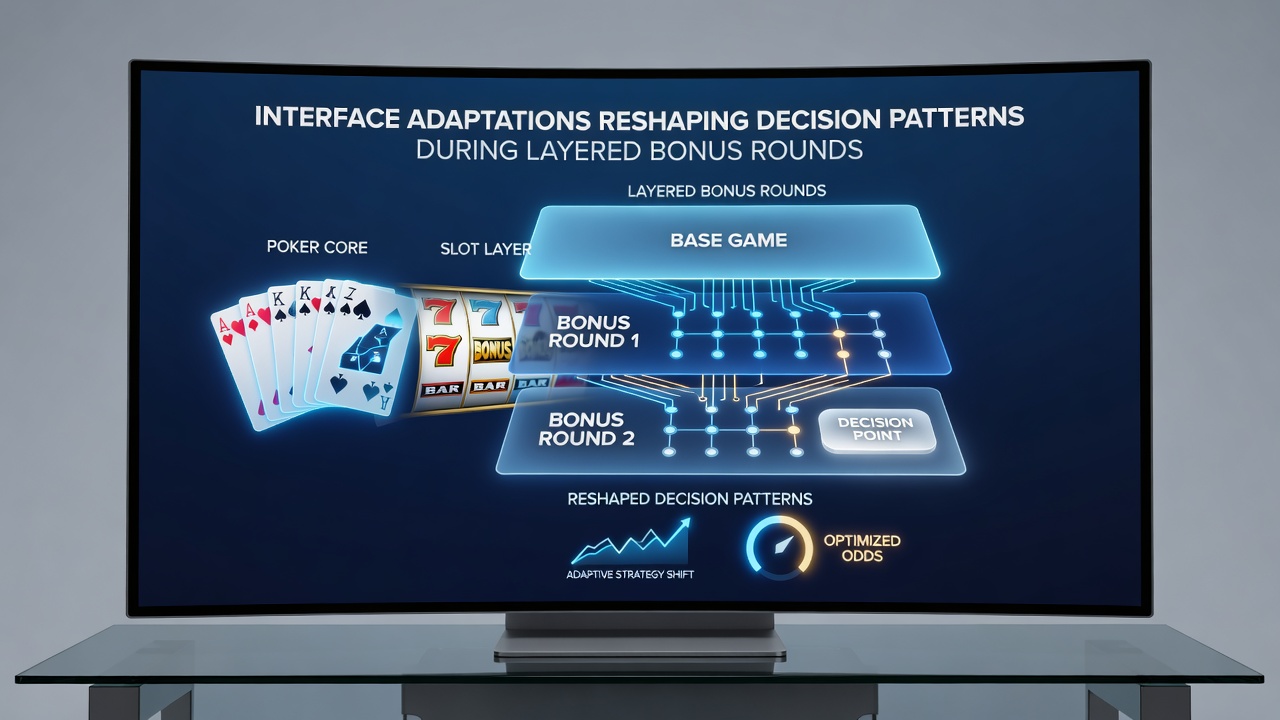
Adaptive Elements and Input Timing
Interface designers have incorporated context-aware tooltips that surface only when poker decisions affect upcoming slot layers, and this timing adjustment has been linked to modified play sequences in recent portable device studies. Data compiled by the Nevada Gaming Control Board indicates that sessions featuring these adaptive overlays show different distribution of choices compared with static interfaces, particularly in how players allocate bonus multipliers across combined poker and slot outcomes. Australian research institutions tracking similar systems report that delayed tooltip appearance encourages quicker initial selections, while immediate prompts lead to more deliberate cross-layer planning, and both patterns have been observed in controlled tests conducted through mid-2026.
Cross-Platform Consistency and Player Adaptation
Developers working across iOS and Android ecosystems have standardized certain gesture libraries for poker-slot hybrids, yet device-specific screen sizes still produce variations in decision speed during layered bonuses, according to comparative analyses released by the European Gaming and Betting Association. Players often discover that smaller phone displays compress poker options into expandable menus that activate via long-press actions, and this mechanic has been shown to alter the frequency of mid-bonus strategy revisions. Reports from Canadian regulatory monitoring programs note that consistency updates in July 2026 reduced input errors by aligning swipe thresholds across hardware models, which in turn affected how users managed overlapping reward calculations.
Conclusion
Portable interface adaptations continue to reshape the sequence and nature of choices within layered bonus rounds where poker elements overlap slot mechanics, and ongoing device refinements suggest these patterns will evolve further with future hardware iterations. Aggregated findings from multiple regions confirm that touch and gesture innovations directly correlate with measurable differences in decision timing and selection order, providing a factual basis for understanding current mobile gaming dynamics.