Regional Licensing Differences and Reward Accumulation in Mobile Hybrid Games
Jordan Foster · Aug 7, 2026
Regional Licensing Differences and Reward Accumulation in Mobile Hybrid Games
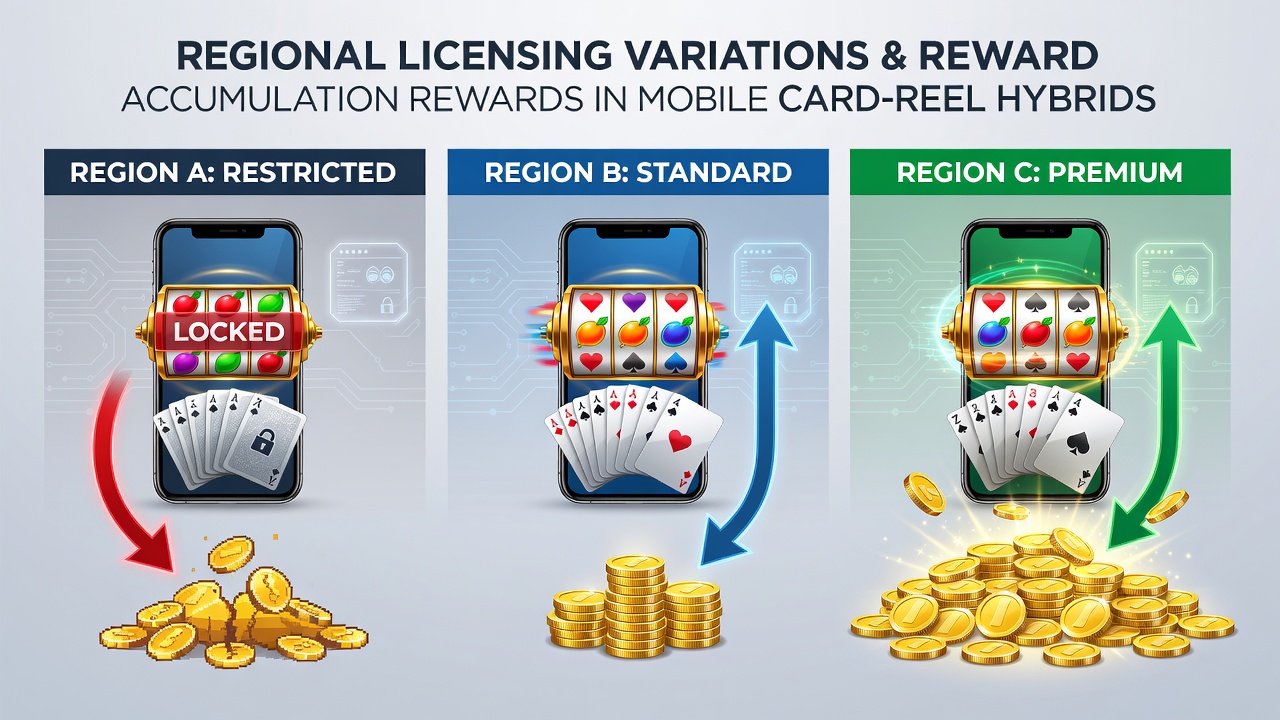
Regional licensing variations shape how players accumulate rewards in mobile-based card and reel hybrids through distinct regulatory requirements that govern bonus structures, payout frequencies, and cross-game integration features. These frameworks differ significantly across jurisdictions, creating varied environments where reward collection strategies must adapt to local rules on game mechanics and promotional offerings. Data from regulatory filings indicates that licensing conditions directly influence the design of free spin systems and poker tournament tie-ins within the same application.
Key Differences in Licensing Structures Across Major Markets
North American jurisdictions apply separate standards that affect reward accumulation timelines in hybrid titles, with some states requiring explicit approval for combined card and reel features before operators can offer integrated bonus pools. European markets impose additional layers of player protection rules that limit how frequently rewards can transfer between poker-style elements and slot reel progressions, while Australian regulations focus on disclosure requirements that alter visibility of accumulating metrics on mobile interfaces. Observers note that these variations force developers to segment app versions by region, which in turn fragments reward tracking systems and prevents seamless accumulation across borders.
Canadian provinces demonstrate another approach where provincial gaming authorities mandate specific audit trails for any reward earned through hybrid mechanics, resulting in delayed crediting processes compared to more streamlined systems elsewhere. Studies from industry monitoring groups show that such requirements extend the time between earning and accessing rewards in mobile environments, particularly when card game outcomes feed into reel bonus multipliers.
How Licensing Rules Alter Bonus Integration and Accumulation Patterns
Licensing conditions often dictate whether rewards generated from poker hands can directly contribute to reel spin accumulators within the same session, creating technical barriers that developers address through region-specific code branches. In markets with stricter separation rules, players encounter separate wallets or progress bars that prevent direct transfer, whereas permissive frameworks allow unified meters that accelerate overall accumulation rates. Research indicates that these design choices stem from licensing language around game classification rather than technical limitations alone.
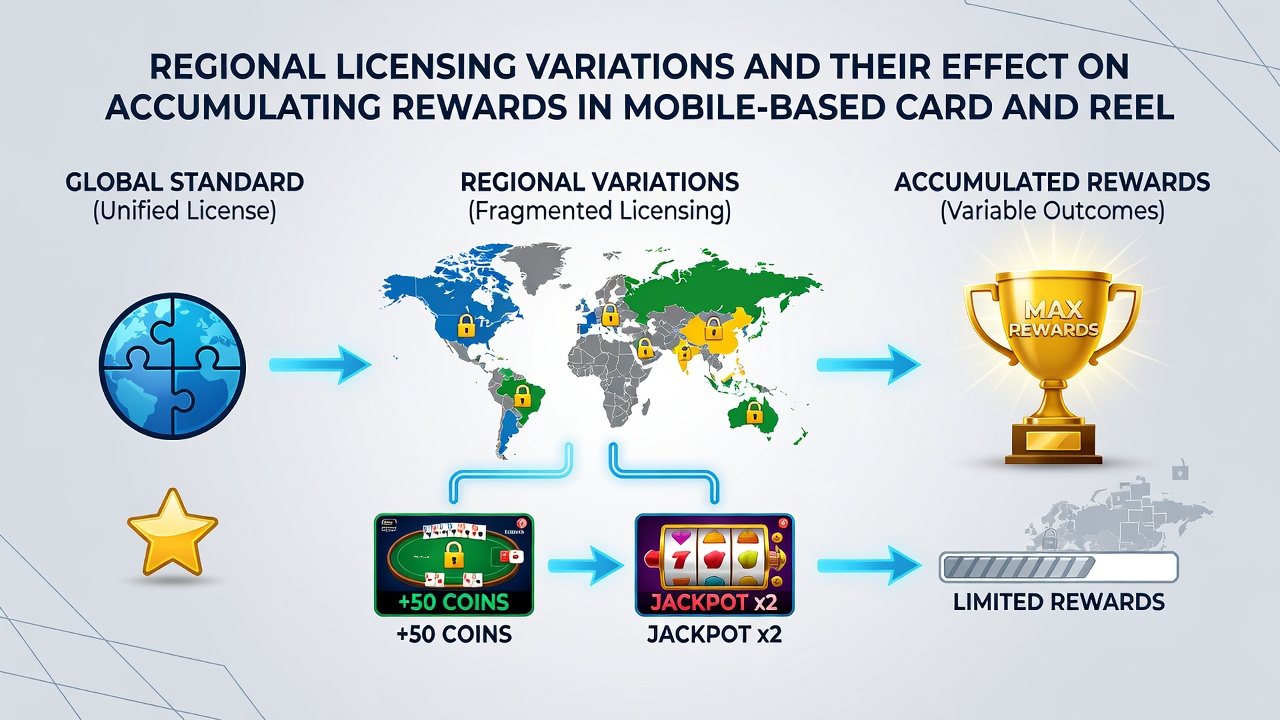
August 2026 regulatory updates in several U.S. states introduced new reporting standards for hybrid game rewards, requiring operators to log every instance where card outcomes influence reel bonus eligibility. These changes prompted adjustments in mobile platforms that now display region-locked accumulation counters, helping users understand why their progress differs when switching devices or locations. According to data compiled by the New Jersey Division of Gaming Enforcement, compliance with these standards has increased processing times for cross-feature rewards by measurable margins in affected applications.
Effects on Player Strategies and Platform Adaptations
Players in heavily regulated regions develop segmented strategies that account for licensing-imposed limits on reward transfer, often focusing on one game type until local rules permit progression to the next phase. Platform operators respond by implementing geofencing that activates or deactivates specific accumulation pathways based on detected location, ensuring compliance while maintaining engagement across different licensing zones. Evidence from usage analytics reveals that these adaptations lead to distinct behavioral patterns, with users in restrictive markets showing higher session lengths on individual components rather than fluid movement between card and reel elements.
Industry reports highlight that developers now embed licensing-aware modules into hybrid titles, automatically adjusting reward multipliers and eligibility windows to match the strictest applicable rules for each user. This approach reduces violations but also creates inconsistent accumulation experiences even within the same title when accessed from different regions.
Technical Implementation Challenges and Compliance Measures
Integrating regional licensing constraints into mobile card and reel hybrids requires careful database segmentation that tracks reward sources separately until local rules authorize combination. Developers employ server-side validation to enforce these limits in real time, preventing unauthorized accumulation that could breach licensing terms. One case documented by compliance teams showed that failure to segment reward ledgers resulted in temporary suspension of hybrid features in multiple jurisdictions until corrected.
Academic analysis from gaming technology research centers demonstrates that these technical measures, while effective for compliance, introduce latency in reward display and redemption processes on mobile devices. The resulting delays compound when users travel between regions with incompatible licensing frameworks, forcing manual intervention or account adjustments to realign accumulated values.
Conclusion
Regional licensing variations continue to determine the pace and methods of reward accumulation in mobile-based card and reel hybrids through direct influence on game design, bonus integration, and technical infrastructure. Jurisdictions maintain distinct standards that segment markets and require ongoing platform adaptations, with measurable effects on how rewards flow between card and reel components. As regulatory environments evolve, operators and developers maintain compliance by embedding location-aware controls that shape player experiences according to local licensing conditions.