Smartphone Display Configurations Driving Efficiency in Poker-Themed Jackpot Bonus Sequences
Xander Müller · Aug 26, 2026
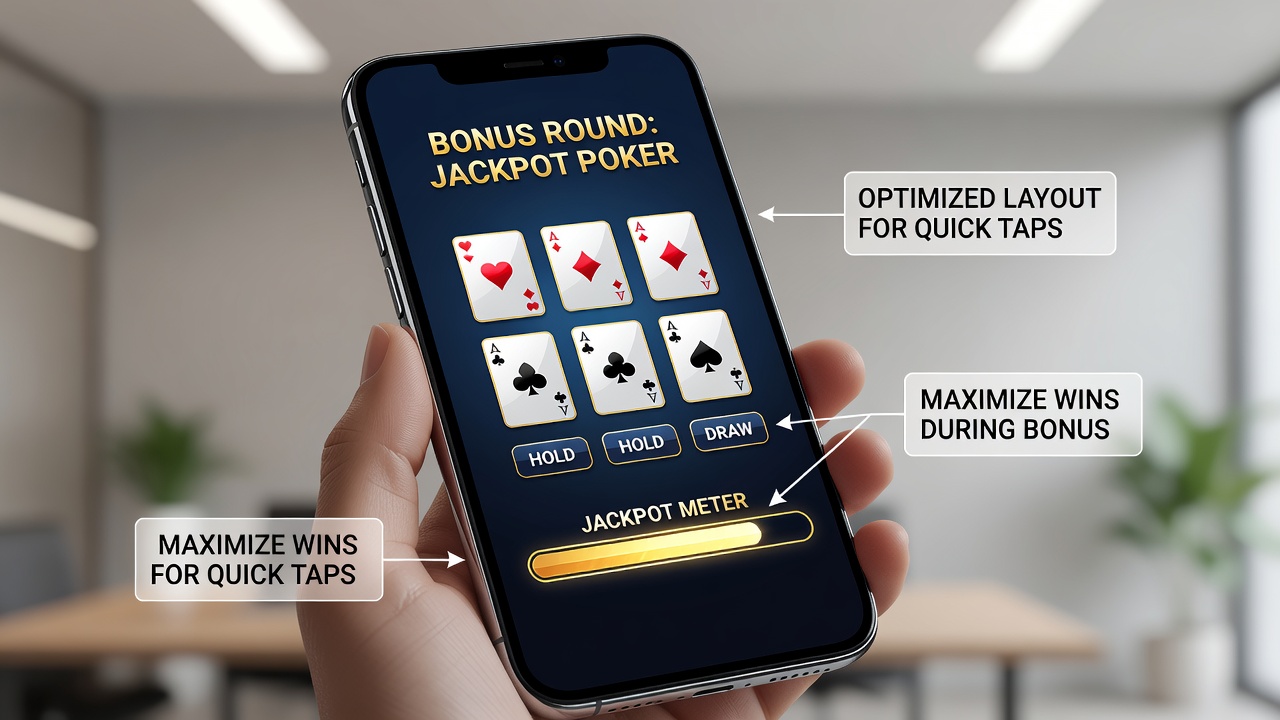
Smartphone Display Configurations Driving Efficiency in Poker-Themed Jackpot Bonus Sequences
Smartphone screen layouts influence how players interact with poker-themed jackpot games during bonus rounds, where multiple elements such as card selections, multiplier triggers, and progressive meters appear simultaneously on limited display space. Data from mobile gaming reports indicate that vertical orientations with adjustable split panels allow users to maintain visibility of both the main reel area and the bonus interface without constant scrolling or zooming actions.
Vertical and Horizontal Orientation Patterns in Mobile Poker Slots
Research conducted by industry analysts shows that vertical layouts dominate smartphone usage in these titles because they align with natural hand positioning during extended sessions. Horizontal modes, however, expand the visible poker hand grids and jackpot counters, which becomes relevant when bonus rounds activate cluster combinations or community card draws. Observers note that developers adjust touch zones accordingly so that card flips and bet adjustments register accurately across both orientations.
August 2026 updates from several platforms introduced dynamic orientation switching that preserves bonus state information when players rotate their devices mid-round. This adjustment prevents interruptions in sequences where timing affects multiplier accumulation or elimination rounds.
Touch Target Sizing and Gesture Integration for Bonus Interactions
Effective screen layouts allocate larger touch targets to high-frequency actions such as card holds or suit selections during bonus phases. Studies from device usability labs demonstrate that targets exceeding 9 millimeters in width reduce mis-taps by measurable margins in fast-paced poker bonus mechanics. Developers incorporate swipe gestures for deck shuffling and tap-hold commands for stake adjustments, which integrate directly with the underlying game engine to streamline transitions between base play and triggered features.
Information Hierarchy and Visual Prioritization Techniques
Screen designs organize critical bonus data—current jackpot totals, remaining picks, and active multipliers—into layered panels that expand or collapse based on player input. This hierarchy keeps the poker-themed artwork and reel animations prominent while surfacing numerical updates only when relevant. Figures from platform analytics reveal that layouts employing semi-transparent overlays maintain immersion without obscuring key decision points during multi-stage bonus rounds.
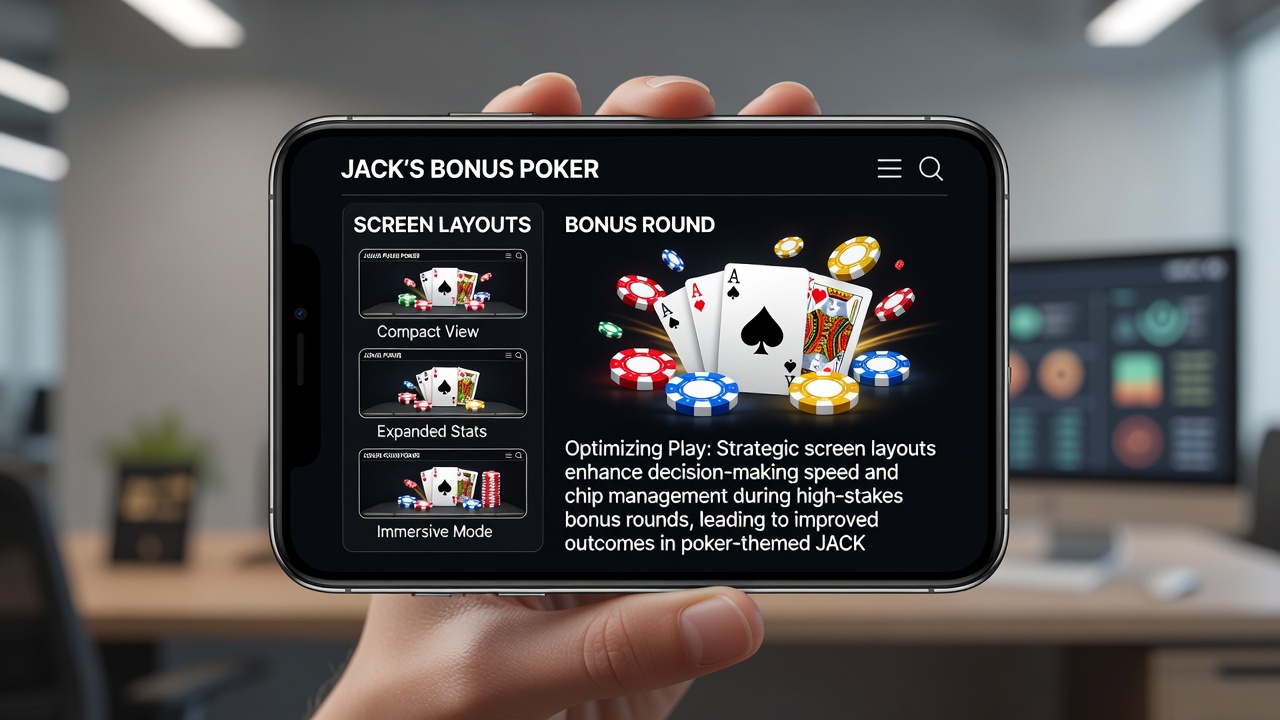
Color coding and icon scaling further guide attention toward active elements, such as highlighted royal flush opportunities or accumulating wild positions. Those who have examined user session logs report that consistent icon placement across different titles reduces the learning curve when players switch between poker jackpot variants.
Adaptive Layouts Responding to Device Specifications
Smartphone models vary in screen dimensions and aspect ratios, prompting developers to employ responsive frameworks that recalibrate element spacing automatically. Data indicates that devices with notch or punch-hole cameras require specific margin adjustments so that bonus timers and payout tables remain fully legible. Developers test these configurations across operating systems to ensure gesture recognition remains consistent regardless of hardware differences.
Regulatory documentation from the Nevada Gaming Control Board outlines standards for interface clarity that extend to mobile bonus presentations, emphasizing readable text sizes and unobstructed touch areas during feature rounds. Similar guidelines appear in reports from the Australian Communications and Media Authority, which track compliance in digital gambling interfaces.
Performance Metrics Linked to Layout Variations
Platform telemetry collected during August 2026 showed correlations between layout density and completion rates for bonus sequences in poker jackpot titles. Denser arrangements that pack multiple information panels onto one screen sometimes increase decision speed, whereas sparser designs with expandable menus correlate with fewer accidental exits from bonus modes. Researchers tracking session durations found that players using optimized layouts completed more bonus stages per hour on average.
Industry organizations such as the American Gaming Association have compiled aggregated figures on mobile engagement trends, noting that layout refinements contribute to sustained participation across poker-themed releases. Academic papers examining human-computer interaction in gaming environments further support the role of spatial organization in reducing cognitive load during time-sensitive bonus decisions.
Conclusion
Smartphone screen configurations continue to evolve alongside advancements in display technology and game design for poker jackpot titles. Layout decisions directly affect how bonus round elements display and respond to input, shaping the overall flow of play without altering underlying probabilities. Ongoing refinements in touch precision, information layering, and device adaptation reflect measurable responses to user interaction patterns observed across platforms.