The Connection Between Transaction Pathways and Reward Stacking in Poker-Themed Mobile Reel Competitions
Xander Müller · Aug 19, 2026
The Connection Between Transaction Pathways and Reward Stacking in Poker-Themed Mobile Reel Competitions
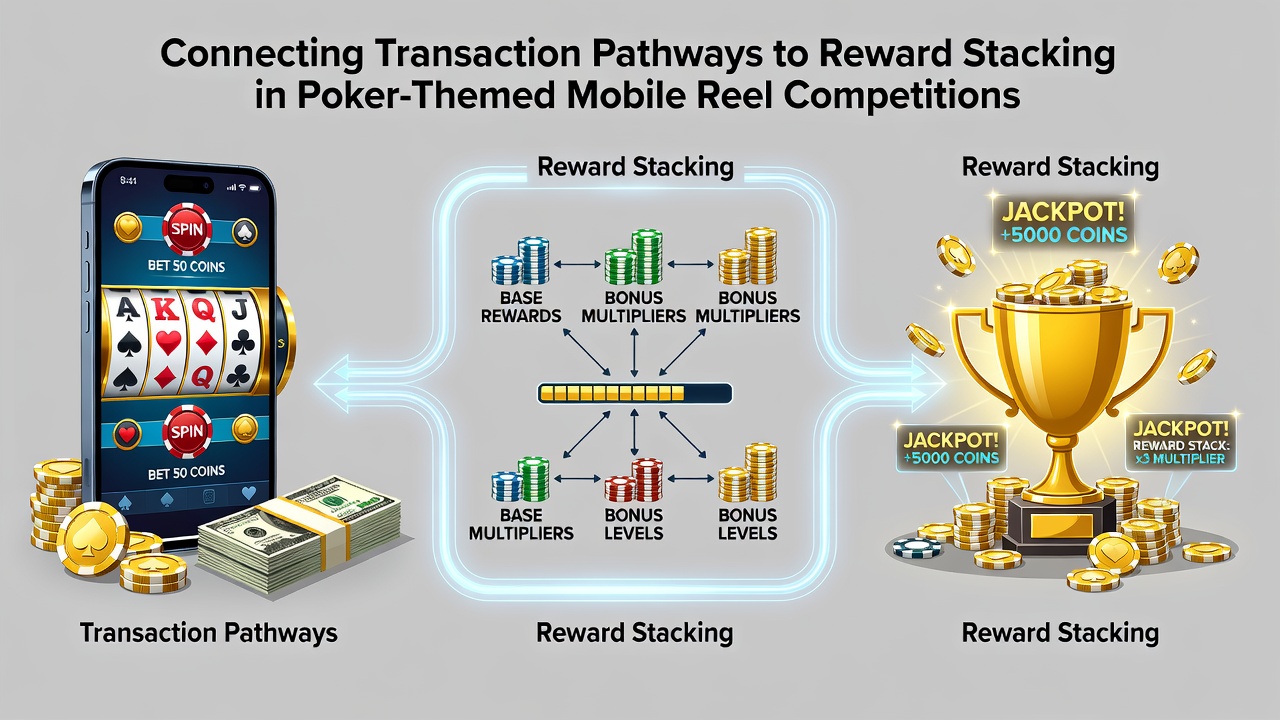
Transaction pathways in poker-themed mobile reel competitions determine how deposits and withdrawals integrate with bonus layers, and observers note that these routes shape the pace at which players build free spins, multipliers, and tournament entries. Data from the New Jersey Division of Gaming Enforcement indicates that mobile platforms handling poker-style slots processed higher volumes of micro-transactions in 2025, which in turn supported more frequent reward stacking sessions during competitive play periods. Those who study payment flows point out that seamless gateway connections reduce friction, allowing users to layer multiple promotions without resetting their session progress, whereas delays in authorization often interrupt the accumulation cycle and force players to restart bonus qualification steps.
Payment Integration Patterns in Mobile Poker Reels
Payment gateways influence reward stacking because they control the timing of deposit confirmations that trigger bonus eligibility, and figures from industry reports reveal that instant verification methods enable players to enter multiple tournament brackets in quick succession while carrying forward accumulated free spins. In August 2026 several platforms updated their API connections to support faster processing for poker-themed titles, which allowed participants to maintain continuous reward chains across daily and weekly events without manual intervention. Researchers at academic institutions have documented that users who select e-wallet options complete stacking sequences more efficiently than those relying on traditional card processing, since the former routes bypass additional verification layers that can pause reel competition access for several minutes at a time.
Case Examples of Reward Layering Through Transactions
One documented case involved a series of mobile tournaments where players using instant bank transfer pathways stacked three separate free spin tiers within a single evening session, while card-based users managed only two layers due to authorization holds. Data shows that platforms offering combined poker and reel mechanics saw a measurable rise in multi-bonus participation when they introduced unified transaction dashboards that track deposit history alongside reward balances. Those who've examined these systems find that reward stacking succeeds when transaction records feed directly into the competition engine, creating a continuous loop where each completed deposit unlocks the next bonus threshold without requiring separate claims.
Regional Regulatory Influences on Stacking Mechanics
Regulatory bodies across different regions set the parameters for how transaction data interacts with reward systems, and reports from the Australian Communications and Media Authority highlight that clear disclosure rules help maintain transparent stacking pathways in licensed poker reel applications. In markets where operators must log every deposit-to-bonus conversion, players receive clearer feedback on how close they are to the next reward tier, which supports more deliberate participation strategies during extended mobile sessions. European Gaming and Betting Association publications note that standardized reporting across member states has encouraged platforms to refine their internal tracking so that stacked rewards remain visible even when users switch between tournament formats and standard reel play.
Technical Factors Affecting Reward Continuity
Technical stability of transaction pathways determines whether stacked rewards survive across device switches or network interruptions, and testing data indicates that platforms with redundant gateway routing maintain higher continuity rates during peak tournament hours. When a primary payment route experiences latency, secondary connections activate to preserve the player's current reward position rather than forcing a reset that would erase partially stacked bonuses. Observers note that poker-themed competitions benefit particularly from this redundancy because events often run on tight schedules where missing even one deposit window can eliminate a player from multiplier eligibility.
Conclusion
Transaction pathways and reward stacking remain closely linked in poker-themed mobile reel competitions, with payment speed, regulatory clarity, and technical redundancy shaping how effectively participants accumulate and retain layered bonuses. Evidence from multiple regulatory and industry sources continues to show that improvements in these connections lead to more sustained engagement across tournament cycles, and ongoing platform updates through 2026 suggest further refinements in how deposits translate directly into competitive advantages.