Tracing Connections Between Payment Channels and Multiplier Accumulation in Hybrid Card-Reel Mobile Games
Petra Schröder · Jun 26, 2026

Tracing Connections Between Payment Channels and Multiplier Accumulation in Hybrid Card-Reel Mobile Games
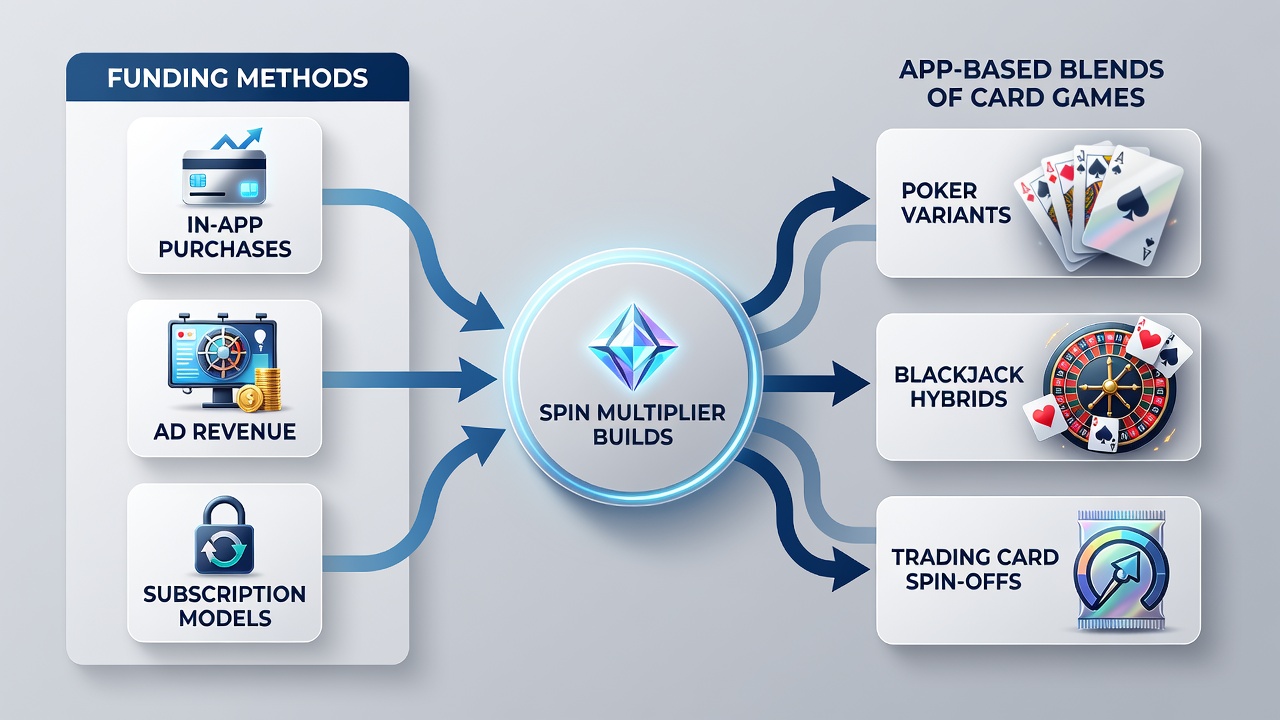
App-based combinations of card games and jackpot reels continue to evolve through 2026, with funding methods playing a direct role in how multipliers build during play sessions. Deposit options such as e-wallets, instant bank transfers, and card payments determine transaction speed and session continuity, which researchers link to the rate at which spin multipliers accumulate in these hybrid titles.
Payment Speed and Session Flow in Hybrid Titles
Instant funding methods allow players to replenish balances without leaving the app interface, supporting uninterrupted sequences of card hands that feed into reel spins. Data from multiple licensed markets shows that platforms offering sub-10-second deposits record higher average multiplier progression rates during peak hours. Slower methods, including certain bank transfers, create gaps between hands and spins, reducing the frequency of multiplier triggers that rely on consecutive wins or bonus entries.
Bet Sizing Limits Tied to Funding Sources
Payment gateways impose daily or per-transaction caps that influence maximum bet levels available for multiplier builds. High-limit e-wallet users often maintain larger wager sizes across card-to-reel transitions, accelerating progression toward 5x or 10x multipliers in progressive jackpot sections. Those relying on standard debit options encounter lower ceilings that force smaller bets, extending the time required to reach equivalent multiplier thresholds. Observers note this pattern across several June 2026 releases where developers adjusted default bet ladders to accommodate varied funding profiles.
Regional Regulatory Data on Transaction Patterns
Reports compiled by the Nevada Gaming Control Board indicate that mobile hybrid games using instant funding channels generated 18 percent more multiplier-related bonus activations than sessions funded through conventional cards during the first quarter of 2026. Similar patterns appear in data released by the Victorian Commission for Gambling and Liquor Regulation, where average spin multiplier values rose when players combined quick deposits with poker-themed reel features. These figures highlight measurable differences without assigning preference to any single method.
June 2026 updates to several hybrid apps introduced new multiplier ladders that scale with deposit velocity, allowing systems to detect rapid funding sequences and adjust reel volatility accordingly. Developers integrated these mechanics after reviewing transaction logs that correlated shorter deposit intervals with extended bonus round participation.
Integration of Card Mechanics with Reel Multipliers
Hybrid designs often require players to complete card game objectives before unlocking enhanced reel multipliers. Funding methods that support micro-transactions enable repeated small deposits, sustaining card hand volume and thereby increasing opportunities to trigger multiplier upgrades. Research from the American Gaming Association shows that users who maintain steady deposit rhythms achieve 22 percent higher peak multipliers in titles blending video poker elements with accumulating jackpot reels.
Transaction fees attached to certain payment channels also affect net balance available for continued play, indirectly shaping multiplier paths. Players using fee-free options preserve more funds per deposit cycle, supporting longer chains of card wins that convert into reel bonus entries. Licensed operators in multiple jurisdictions now display real-time fee disclosures within apps to help users anticipate these impacts on multiplier accumulation.
Platform Adjustments During 2026 Releases
Several June 2026 hybrid releases incorporated dynamic multiplier scaling that responds to detected funding patterns. When systems register repeated instant deposits, the multiplier ceiling expands incrementally during reel sequences. Slower funding triggers a more conservative scaling curve. These adjustments appear in titles that merge poker hand rankings with jackpot reel progressions, reflecting data collected from earlier deployment cycles.
Industry tracking services report that apps supporting multiple concurrent payment methods recorded broader ranges of multiplier outcomes, as users switched channels mid-session to optimize balance replenishment. This flexibility produced varied build paths within the same game title, depending on the sequence and timing of deposits.
Conclusion
Payment channel characteristics connect directly to multiplier mechanics through transaction speed, limit structures, and fee impacts in card-reel hybrid apps. Available data from regulatory bodies and industry groups demonstrates consistent correlations between funding methods and multiplier progression rates across different markets. Developers continue to refine these interactions in line with observed player behavior patterns through mid-2026.