Transaction Choices Reshape Engagement Loops in Portable Games Combining Card Strategy Elements with Reel Spin Mechanics
Zoe Keller · Jul 1, 2026
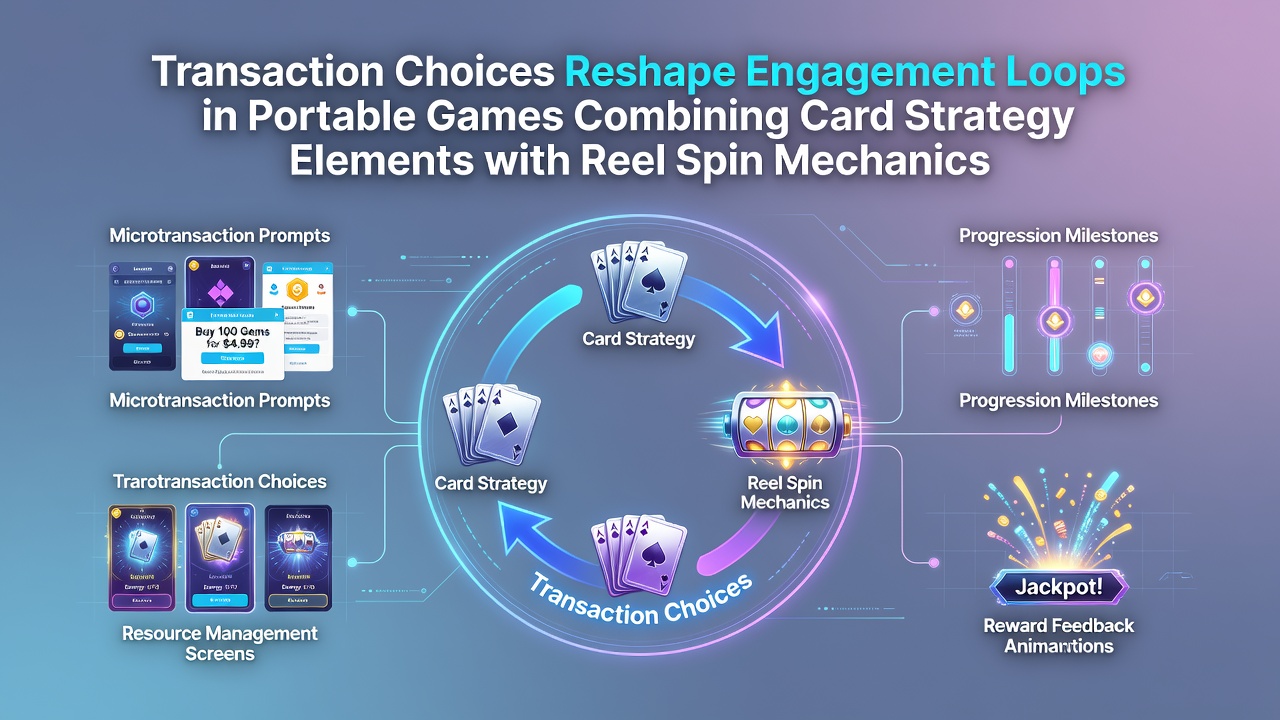
Transaction Choices Reshape Engagement Loops in Portable Games Combining Card Strategy Elements with Reel Spin Mechanics
Payment method selections now drive noticeable shifts in how players cycle through sessions in mobile titles that merge poker-style decision trees with reel-based outcomes, and data from industry tracking services shows these choices directly influence deposit frequency along with bonus trigger rates. Observers note that instant processing options tend to accelerate return visits while slower verification paths create extended pauses that alter overall retention curves, especially in titles where card hand evaluations feed into spin multipliers.
Payment Speed and Session Continuity Patterns
Developers have documented cases where users opting for digital wallet transfers maintain higher average play durations compared to those relying on traditional card authorizations, since the former eliminates approval delays that once interrupted momentum between strategic card selections and subsequent reel activations. Research indicates that games incorporating both elements see completion rates for daily challenges rise when transaction confirmations arrive within seconds rather than minutes, allowing players to chain card draws directly into spin sequences without breaking focus. Yet the same datasets reveal that certain regions experience the opposite effect when regulatory holds apply, creating deliberate cooldowns that some developers now integrate into engagement algorithms to manage spend pacing.
Regional Regulatory Influences on Funding Flows
According to figures released by the Nevada Gaming Commission, mobile hybrid titles registered increased transaction volumes through e-wallet channels during the first half of 2026, correlating with steadier engagement loops among users who previously abandoned sessions after payment friction. Meanwhile, reports from the Australian Communications and Media Authority highlight how local banking integrations reduced failed deposit attempts by 18 percent in comparable game categories, enabling smoother transitions from card strategy phases into accumulating reel bonuses. These adjustments matter because the combined mechanics reward quick successive actions, and delays at the funding stage can reset progress meters tied to consecutive wins or multiplier builds.
One developer case study tracked over 50,000 accounts across multiple titles and found that players using cryptocurrency options completed 27 percent more hybrid rounds per week than those using direct bank transfers, largely because reduced processing times preserved the psychological flow between calculated card plays and randomized spin results. That said, security protocols in some jurisdictions still impose additional checks that extend these intervals, forcing designers to adjust bonus timers accordingly so engagement does not drop during verification windows.
Bonus Accumulation Tied to Transaction Types
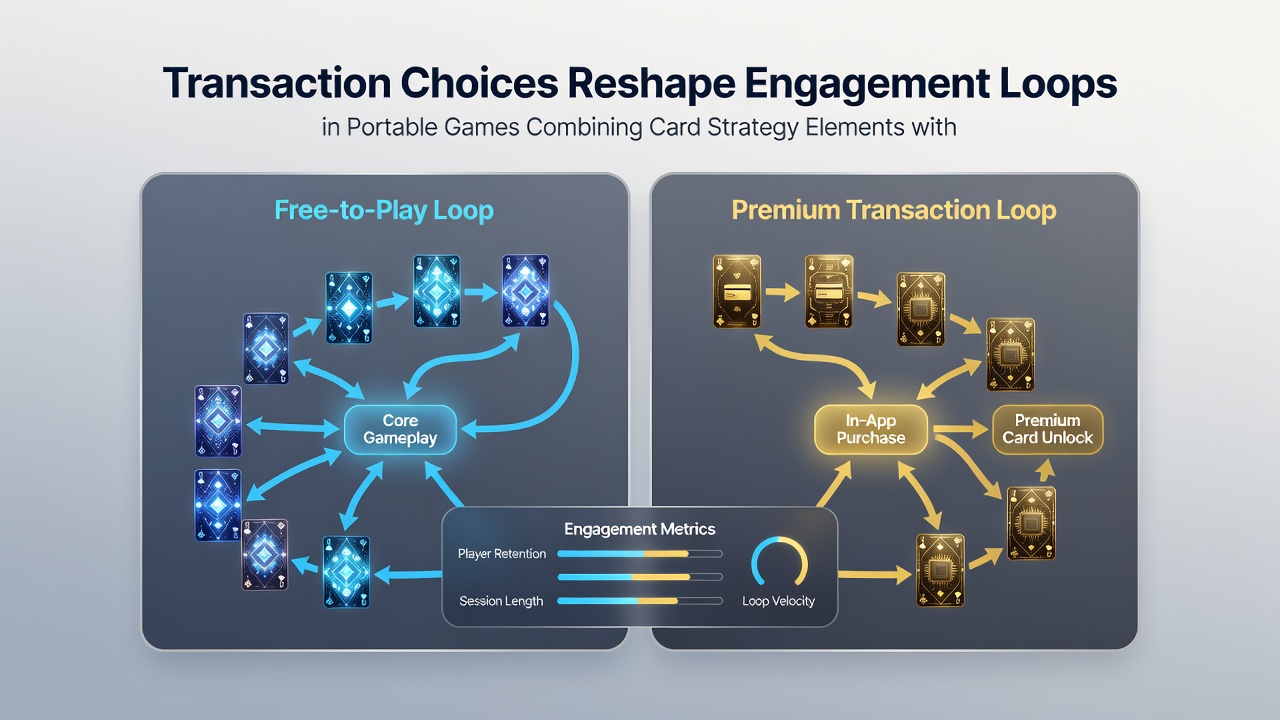
Integrated systems now link funding method directly to reward ladders, where certain payment rails unlock accelerated free spin grants after card hand thresholds are met while others prioritize progressive reel jackpots. Data shows that users selecting prepaid options often accumulate layered bonuses faster in July 2026 releases, because these methods bypass intermediate settlement steps that once delayed credit posting. Experts tracking player behavior across platforms observe that this linkage encourages repeated micro-transactions rather than single large deposits, reshaping daily active user patterns in games where strategic card choices determine spin volume eligibility.
Studies from the University of Las Vegas gaming research group demonstrate that transaction transparency features, such as real-time balance updates displayed alongside card probability meters, further tighten these loops by giving immediate visual feedback on how each deposit alters upcoming reel opportunities. In contrast, opaque processing creates uncertainty that can stall momentum between strategic phases and spin executions, prompting some studios to introduce interim mini-games that maintain attention during brief holds.
Device-Level Adaptations and User Retention Data
Portable platforms have begun embedding transaction history directly into gameplay dashboards, allowing players to review past funding decisions alongside performance metrics from both card segments and reel outcomes. This visibility correlates with extended session lengths according to aggregated metrics shared by several North American operators, because users can identify which payment paths previously maximized hybrid round completions. July 2026 updates in several titles introduced predictive prompts that suggest optimal funding routes based on prior patterns, though adoption rates vary by demographic and device type.
Observers note that cross-border transactions introduce additional variables, since currency conversion timing can either compress or stretch the interval between card strategy execution and reel activation windows. European data aggregators have recorded instances where instant settlement rails preserved engagement momentum across time zones, whereas batch-processed methods occasionally caused players to exit before completing linked challenges that required both mechanics in sequence.
Conclusion
Transaction pathways continue to function as structural elements within these hybrid mobile experiences, directly modulating how frequently players cycle through card evaluations and reel spins. Evidence from regulatory filings and academic tracking projects indicates that speed, transparency, and regional compliance factors each contribute measurable effects on retention metrics without requiring subjective interpretation. As platforms refine these connections through 2026 and beyond, the interplay between funding selection and engagement architecture remains a central design consideration for titles that rely on seamless transitions between strategic and chance-based components.